

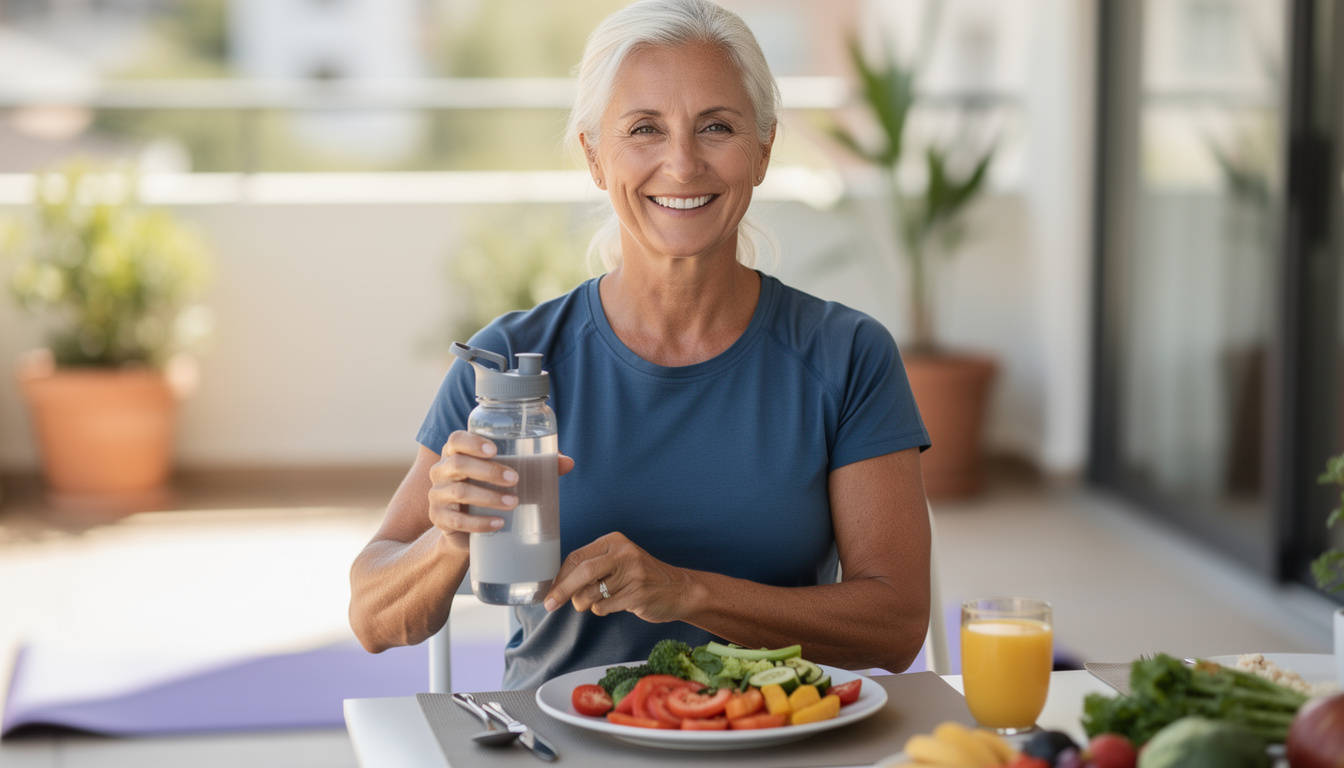
SEO title: Joy and Wellness in 2026: Thriving Life After 50
In 2026, Joy and Wellness after 50 look less like extreme reinvention and more like smart, steady upgrades that fit real life. The most sustainable wins come from combining healthy aging basics—movement, nutrition, sleep, connection—with a positive mindset that keeps motivation alive even when routines wobble.
To make these ideas concrete, a simple thread can help: meet “Dana,” a 57-year-old who wants more energy, fewer aches, and a calmer mood without turning life into a full-time project. That lens makes it easier to see how embracing life after 50 becomes a practical skill set, not a vague slogan.
Joy and Wellness in 2026: what’s changing after 50
Wellness culture has matured. Instead of chasing perfection, many adults prioritize approaches that are personalized, gentler on joints, and easier to repeat—key for life after 50, when consistency matters more than intensity.
One useful shift is moving from “willpower” to “systems.” Dana swapped random bursts of motivation for small cues: walking shoes by the door, a planned grocery list, and a weekly check-in with a friend. That structure makes an active lifestyle feel automatic, which is where happiness tends to stick.
Community voices that keep goals realistic
Local wellness programming can be surprisingly motivating because it feels human and attainable. In Reading, Pennsylvania, a community TV segment featuring Berks Encore’s Health & Wellness Director Kathy Roberts and host Mindy McIntosh focused on making 2026 healthier through doable habits and supportive routines—an approach that resonates with anyone building momentum after 50.
For readers who like learning alongside others, that same spirit appears in resources such as a healthy living webinar that frames wellness as education plus action. The key insight: information only becomes power when it’s turned into a repeatable weekly plan.
To explore broader conversations around aging well, this video search helps surface expert-friendly perspectives:
Those discussions set up the next step: turning inspiration into a few high-impact behaviors that actually fit a busy week.
Healthy aging habits that compound: the 2026 “small wins” approach
Healthy aging rarely comes from a single breakthrough. It’s usually the result of stacking small actions—sleep regularity, strength work, protein and fiber, and stress regulation—until the body starts responding with better energy and mood.
When Dana tested this approach for four weeks, the biggest change wasn’t weight or pace; it was confidence. Once the basics were stabilized, personal growth felt natural, because the body stopped fighting every change.
A practical weekly checklist for an active lifestyle
Rather than aiming for “perfect,” aim for “repeatable.” The list below mirrors what tends to work best for adults optimizing wellness after 50 while protecting joints, sleep, and motivation.
- Strength training 2–3x/week (30–45 minutes): prioritize squats-to-chair, hip hinges, rows, and loaded carries to support posture and everyday independence.
- Zone 2 cardio 2x/week (20–40 minutes): brisk walking or cycling where talking is possible but singing isn’t—great for heart and mitochondrial health.
- Protein at each meal: a steady baseline supports muscle retention, a cornerstone of healthy aging.
- Fiber “anchor” foods daily: beans, oats, berries, and vegetables help satiety and gut comfort.
- Sleep timing: a consistent wake time often beats a perfect bedtime.
- One social touchpoint: a class, volunteer slot, or walking buddy supports happiness more than many supplements.
For quick behavior ideas that feel instantly doable, the guide on easy habits to change health and wellness pairs well with this checklist. The takeaway: pick two habits, repeat them until boring, then add one more.
Nutrition details that matter more after 50
Nutrition becomes more “strategic” with age. Not because the body is fragile, but because it is more honest: poor sleep, low protein, and low movement show up faster as stiffness, mood dips, and cravings.
One simple case study: Dana added a crunchy vegetable snack most afternoons to stop late-day grazing. A deep dive into carrots as a nutritional powerhouse highlights why this works—fiber for fullness, carotenoids for overall health, and an easy, portable format that makes good choices frictionless.
To keep learning practical meal strategies without extremes, this video query can help:
Once the body is fueled and moving, mindset work stops feeling abstract and becomes the “glue” that keeps everything together.
Positive mindset in 2026: the mental wellness layer behind happiness
A positive mindset is not pretending everything is fine. It is the skill of interpreting setbacks without turning them into identity—especially important in life after 50, when people may be juggling family responsibilities, career transitions, and health changes.
When Dana missed two workouts during a stressful week, the old pattern was all-or-nothing thinking. The newer pattern was a quick reset: one walk, one earlier bedtime, and a normal breakfast the next day. That “resume quickly” reflex is where long-term joy lives.
Burnout-proofing routines so wellness doesn’t become another job
Many motivated adults accidentally turn wellness into a performance metric, which increases stress and reduces consistency. The practical fix is to identify “minimum effective days” (the smallest routine that still keeps momentum) and “expansion days” (when energy is high).
For a deeper look at the warning signs and solutions, the resource on burnout and mental wellness supports a grounded approach: protect recovery, simplify inputs, and rebuild from the basics. The insight: mental wellness is not separate from physical wellness; it’s the operating system.
Personal growth after 50: a realistic roadmap for embracing life
Embracing life after 50 often means upgrading identity: from “trying to be healthy” to “being someone who practices health.” That identity shift matters because it changes choices automatically—food, movement, boundaries, and friendships.
For readers looking for a structured longevity lens, age-defying life in 2026 aligns with the idea that healthy aging is a long game built on prevention and personalization. The best part is that it welcomes imperfection, as long as the trendline stays positive.
A 2026 weekly plan: connecting habits to outcomes
Planning works best when it links behaviors to the result people actually want: better mornings, fewer aches, stable mood, and more social energy. The table below maps actions to likely benefits and a simple “Dana-style” example.
| Focus | Weekly action | Why it supports healthy aging | Easy example |
|---|---|---|---|
| Strength | 2–3 sessions | Protects muscle, joints, and independence | 30 minutes: chair squats, rows, carries |
| Cardio | 2 brisk walks | Supports heart health and stamina | 25 minutes after lunch on Tue/Thu |
| Nutrition | Protein + fiber daily | Improves satiety and body composition | Greek yogurt + berries; bean salad |
| Recovery | Consistent wake time | Stabilizes energy, cravings, and mood | Wake at 7:00, even on weekends |
| Connection | 1 group touchpoint | Boosts happiness and resilience | Walk club or volunteering on Saturday |
For a seasonal reset that many people use to rebuild momentum, January 2026 healthier lifestyle offers a timely framework: start simple, track what matters, and make the next habit easier than the last. That’s how a plan becomes a lifestyle.
Staying safe and supported: small community actions that protect wellness
Wellness is not only exercise and food; it includes safety and smart choices that reduce risk. One overlooked example is medication storage and disposal, which can affect households across generations.
Community initiatives like a drug take back event reduce accidental exposure and keep homes safer. It’s a quiet form of prevention that complements every other healthy aging strategy.
Using local events to sustain an active lifestyle
Events create accountability without pressure. A wellness week, a community class, or a seasonal challenge can provide the “fresh start” feeling that makes habits easier to restart.
Options like wellness week programming and local roundups such as Crosstown wellness in January show how community can support personal growth and happiness. The final insight: the right environment reduces the need for constant self-control.
What is the most effective way to build joy and wellness after 50?
The most effective approach is a repeatable routine: strength training a few times weekly, regular walking, protein and fiber at most meals, consistent sleep timing, and at least one weekly social connection. These pillars support healthy aging and make a positive mindset easier to maintain.
How can a positive mindset be practiced without ignoring real health challenges?
A positive mindset is built through skills: reframing setbacks, using minimum effective routines during stressful weeks, and returning to basics quickly. This supports life after 50 because it reduces all-or-nothing thinking and keeps progress steady even when circumstances change.
What does an active lifestyle look like if joints feel sensitive?
An active lifestyle can be low-impact and joint-friendly: brisk walking, cycling, swimming, and strength training with controlled range of motion. Consistency matters more than intensity, and small weekly wins tend to deliver better long-term wellness and happiness.
Which nutrition changes support healthy aging the fastest?
Prioritize protein distribution across meals, increase fiber from vegetables, beans, oats, and berries, and simplify snacks to whole foods. These changes often improve energy, digestion, and appetite regulation, making embracing life and personal growth feel more achievable.