

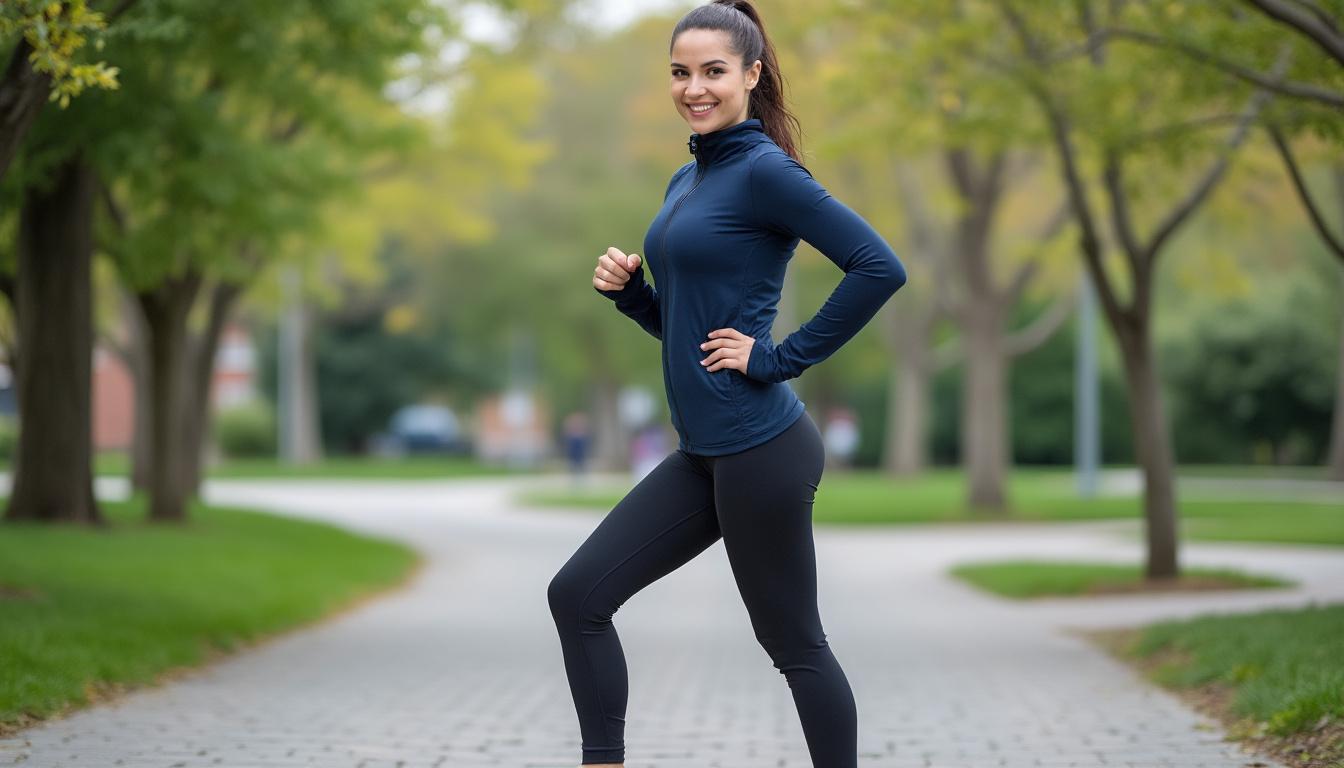
ECU Health Lifestyle Medicine Clinic invites the community to participate in Walking Down Diabetes during Diabetes Awareness Month, a low-impact Community Walk designed to promote Preventive Care and Chronic Disease Management.
ECU Health Lifestyle Medicine Clinic ‘Walking Down Diabetes’ Community Walk Details
The Walking Down Diabetes community event offers an accessible outdoor activity for people at any fitness level. Hosted by the Health Clinic team, the walk emphasizes social connection, gentle exercise, and simple education on diabetes management.
- Who: patients, families, and community members interested in diabetes prevention and wellness.
- When: during Diabetes Awareness Month with flexible walking options (10–60 minutes).
- Why: to encourage movement, lower blood sugar, and build community support.
| Item | Details |
|---|---|
| Event | Walking Down Diabetes Community Walk |
| Organizer | ECU Health Lifestyle Medicine Clinic |
| Focus | Diabetes Education, Preventive Care, Wellness Program |
| Participation | Open to all; one lap or up to 60 minutes |
A short community presentation will accompany the walk, including resources on nutrition and local services. Attendees can learn how small lifestyle changes combine into significant health gains.
Key takeaway: the combination of movement and education during the walk creates a practical entry point to sustained health changes.
How Lifestyle Medicine at ECU Health Advances Diabetes Education and Preventive Care
The clinic applies evidence-based Lifestyle Medicine to prevent, treat, and sometimes reverse type 2 diabetes through targeted behavior change. Programs integrate nutrition, physical activity, stress management, and coaching from multidisciplinary teams.
- Nutrition coaching that uses practical recipes and demonstrations.
- Group sessions emphasizing sustainable habits and peer support.
- Clinical follow-up for personalized Chronic Disease Management.
| Service | Benefit |
|---|---|
| Diabetes Education | Improved self-management and understanding of glucose control |
| Wellness Program classes | Skill-building for meal planning and activity |
| Referral to nutrition resources | Better access to affordable, healthy foods |
Real-world examples include teaching-kitchen sessions where participants taste plant-forward meals and learn substitution tricks. These practical demonstrations mirror initiatives like the produce prescription programs that improve food access and adherence.
Insight: pairing experiential learning with medical oversight strengthens long-term adherence to preventive strategies.
Community Health Benefits: Physical Activity, Social Support, and Chronic Disease Management
Group walking events like Community Walk sessions reduce isolation and increase regular physical activity. Even brief, consistent walks contribute to lower blood glucose, improved blood pressure, and enhanced mood.
- Physical benefits: improved cardiovascular fitness and muscle tone.
- Mental benefits: reduced stress and improved mood through social connection.
- Systems-level benefits: community engagement supports local Preventive Care initiatives.
| Outcome | Expected change from regular walking |
|---|---|
| Blood glucose | Moderate reductions in fasting and postprandial levels |
| Blood pressure | Lower resting systolic and diastolic readings |
| Body weight | Gradual weight loss or maintenance when combined with diet |
Case vignette: a local participant began with 10-minute walks and gradually increased duration, reporting lower fasting sugars and improved wellbeing within weeks. This mirrors evidence-based programs focused on strategies to reduce diabetes risk.
Practical insight: community-based movement events are scalable interventions that complement clinic-based care and public health campaigns.
Preparing for the Walk and Continuing the Wellness Program
Preparation and follow-up matter: simple planning improves safety and long-term impact. The clinic pairs the walk with resource tables and referrals to ongoing programs.
- Bring water, wear supportive shoes, and choose a comfortable pace.
- Attend a brief pre-walk education table for glucose checks or medication advice.
- Follow up with the clinic’s wellness offerings for sustained progress.
| Preparation | Recommended action |
|---|---|
| Clothing & footwear | Comfortable layers and supportive walking shoes |
| Nutrition | Light snack if needed; learn strategies from the food as medicine approach |
| Access resources | Explore community options for access to nutritious food |
Closing tip: small, consistent preparations turn one-off events into habits that support lasting Chronic Disease Management.
Local Resources and Next Steps from ECU Health
Participants are encouraged to use follow-up offerings that integrate lifestyle coaching, referrals, and community programs. Connections to larger events and certification opportunities help sustain momentum.
- Attend workshops or certification courses for deeper knowledge.
- Join recurring community sessions to maintain physical activity.
- Use clinic referrals for medical management when needed.
| Resource | How it helps |
|---|---|
| Local expos and fairs | Access to screenings and education, modeled on events like the Diabetes Innovations Expo 2025 |
| Lifestyle Medicine training | Empowers providers and community leaders (certification resources) |
| Community movement programs | Ongoing support, similar to initiatives such as Wellness Sunway Life Moves 2025 |
Actionable insight: linking one-time community events with structured programs and resources multiplies their health impact.
Who can join the ‘Walking Down Diabetes’ Community Walk?
Anyone in the community is welcome, including people with prediabetes, type 2 diabetes, family members, and neighbors interested in preventive care and social support. The event accommodates all fitness levels with options from a single lap to 60 minutes of walking.
What should participants bring and expect during the walk?
Participants should wear comfortable shoes, bring water, and consider a light snack if needed. Expect short educational stations, glucose or blood pressure checks at some locations, and referrals to ongoing Wellness Program resources.
How does the Lifestyle Medicine approach at ECU Health help manage diabetes?
The Lifestyle Medicine model combines nutrition education, physical activity, stress reduction, and clinical follow-up to improve diabetes outcomes. This approach emphasizes practical skills—such as cooking demonstrations and structured movement—that support long-term behavior change.
Where can attendees find additional resources after the event?
Attendees can access community nutrition programs, certification courses, and expos for more comprehensive support. Helpful starting points include links to produce prescription initiatives, food-as-medicine guidance, and community access to nutritious food.