

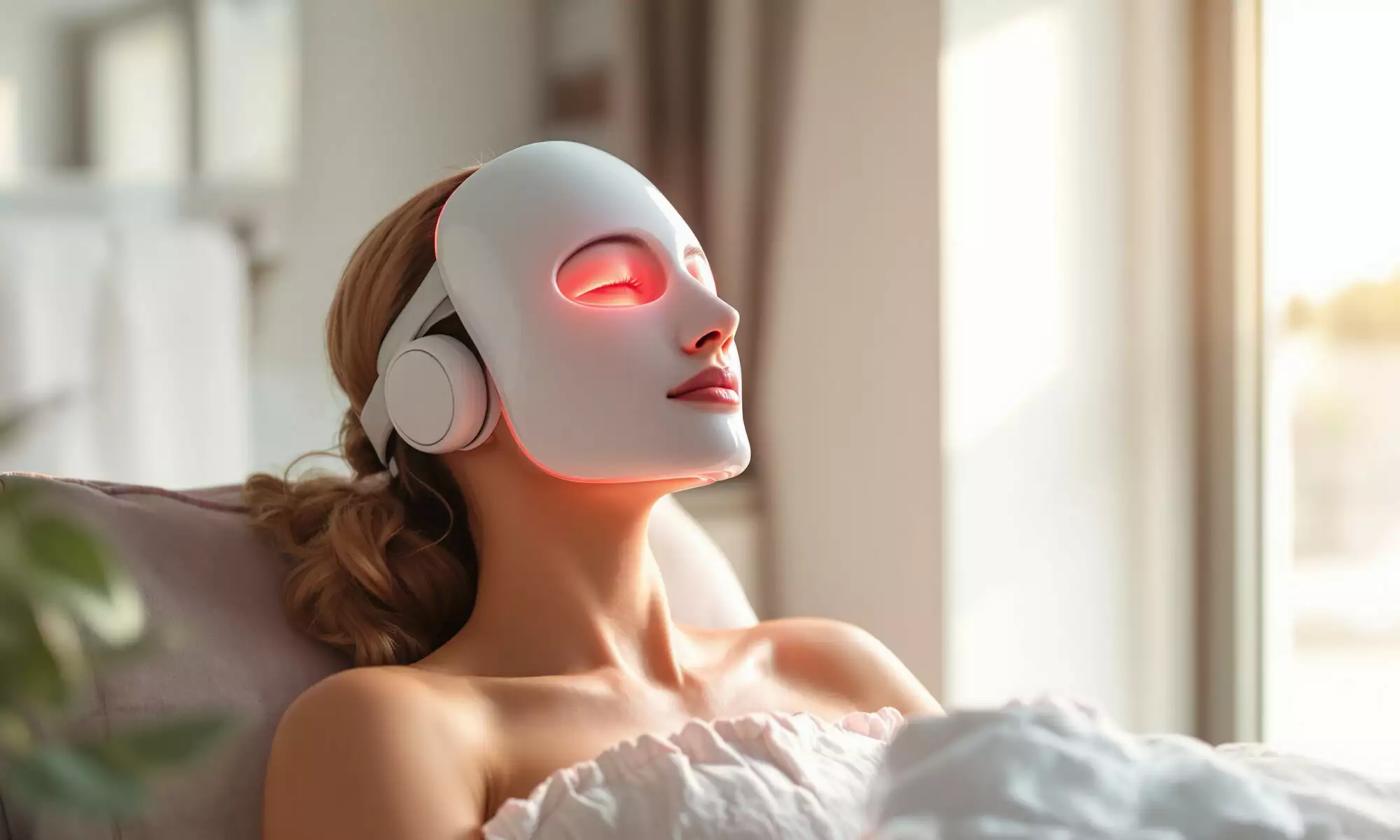
Red light therapy benefits are real for some skin conditions and still uncertain for many recovery, hair, pain, and “anti-aging” claims. In 2026, the best evidence supports modest improvements in wrinkles, acne inflammation, wound healing in selected settings, and hair density for some people with pattern hair loss. Device quality, wavelength, dose, and consistency matter. So does skepticism.
Red light therapy benefits: what has the strongest evidence?
Red light therapy, also called low-level light therapy or photobiomodulation, uses red or near-infrared light to affect cells near the skin surface and, with near-infrared wavelengths, slightly deeper tissues. Common wavelengths are about 630 to 660 nanometers for red light and 810 to 850 nanometers for near-infrared light.
The clearest red light therapy benefits are skin-related. Randomized trials and systematic reviews published through the early 2020s suggest small to moderate improvements in fine lines, skin texture, acne-related inflammation, and healing after some procedures. The effect is not cosmetic surgery in a lamp. It’s slower and subtler.
Hair loss has a fair evidence base too, especially androgenetic alopecia, the common inherited pattern of thinning. Several randomized, sham-controlled trials and a 2021 systematic review found increased hair counts with laser caps or combs in some adults, though trials were often small, device-funded, and lasted only 16 to 26 weeks.
Pain and athletic recovery are more mixed. Some reviews find short-term pain relief for conditions such as knee osteoarthritis, neck pain, and tendinopathy, but protocols vary so much that it’s hard to turn the findings into simple advice. Honestly, the marketing is far ahead of the dosing science.
How does it work, and why dose is the missing detail
The proposed mechanism is not magic. Red and near-infrared light are thought to interact with cytochrome c oxidase, an enzyme involved in energy production inside mitochondria. Laboratory studies show changes in inflammation signals, blood flow, and cell repair pathways, but lab effects don’t automatically translate into large human benefits.
Dose is where many at-home routines fall apart. A useful calculation is energy dose: irradiance multiplied by time. If a panel delivers 50 milliwatts per square centimeter at your skin, 10 minutes gives about 30 joules per square centimeter: 0.05 watts × 600 seconds = 30 J/cm².
More is not always better. Photobiomodulation appears to follow a biphasic dose response, meaning too little may do nothing and too much may blunt the effect or irritate skin. Many consumer devices don’t clearly report measured irradiance at realistic treatment distances, which makes comparison difficult.
For readers who follow medical innovation more broadly, this is a familiar problem: promising technology often reaches the wellness market before practical standards catch up. Our coverage of health breakthroughs to watch makes the same point across several fields: a device can be interesting without being proven for every claim attached to it.
Skin, acne, and aging: where the case is most convincing
For skin, red light therapy benefits are most plausible because the target tissue is close to the light source. Small randomized trials have reported improvements in wrinkles, skin roughness, and collagen markers after repeated treatments over 8 to 12 weeks. The studies are not huge, but they are more consistent than the evidence for whole-body wellness claims.
Acne is a separate use. Blue light has stronger antibacterial action against Cutibacterium acnes, while red light may calm inflammation. A 2021 review of light-based acne treatments found that combined blue and red light can reduce inflammatory lesions, though results depend on acne severity and whether people also use standard treatments such as benzoyl peroxide, retinoids, or prescription medicines.
Wound healing is promising but context-specific. Hospital and dental studies have examined light therapy for oral mucositis, diabetic foot ulcers, and post-procedure healing, yet protocols differ by wavelength, power, and treatment schedule. If you have a wound that is slow to heal, diabetes, poor circulation, infection signs, or immune suppression, don’t substitute a home light panel for medical care.
| Use | Evidence status in 2026 | Typical study duration | Main caveat |
|---|---|---|---|
| Facial wrinkles | Randomized trials and reviews through 2023 | 8-12 weeks | Modest visible change |
| Inflammatory acne | Clinical trials, often blue plus red light | 4-12 weeks | Works best with standard acne care |
| Pattern hair loss | Sham-controlled trials and 2021 review | 16-26 weeks | Device-funded studies common |
| Knee osteoarthritis pain | Mixed systematic reviews through 2022 | 2-8 weeks | Short-term outcomes dominate |
| Muscle recovery | Variable sports studies | 1 session-8 weeks | Timing and dose inconsistent |
Hair growth, pain, and recovery: promising, but less settled
Hair devices are usually laser caps, helmets, or combs rather than large panels. The U.S. Food and Drug Administration has cleared some low-level laser devices for androgenetic alopecia, which means they met a regulatory pathway for safety and substantial equivalence, not that they outperform established treatments.
For hair, the realistic goal is maintenance or moderate thickening, not regrowing a full hairline after years of baldness. People with early thinning tend to be better candidates than those with scarring alopecia, sudden shedding, thyroid disease, iron deficiency, or medication-related hair loss. A clinician can help sort out the cause before you spend months under a device.
Red light therapy benefits for pain are harder to judge because trials include different body parts, conditions, and doses. A 2022 overview of reviews on photobiomodulation for musculoskeletal pain found possible short-term benefit, but confidence varied because many trials were small and protocols were poorly reported.
Athletes often use red or near-infrared light before or after training. Some controlled studies report less delayed muscle soreness or better strength recovery, while others show no meaningful difference. For most active people, sleep, progressive training, protein intake, and injury rehab matter more than a red glow on the quadriceps.
If you’re recovering from surgery or a serious injury, light therapy belongs in the “ask your care team” category. Evidence-based rehabilitation still depends on diagnosis, load management, and follow-up, which is why accredited rehab programs, like the ones discussed in our report on top physical rehabilitation centers, don’t rely on one modality alone.
What red light therapy does not reliably do
Several claims remain weak. There is no good clinical evidence that red light therapy detoxes the body, melts significant fat by itself, cures depression, reverses menopause, or meaningfully raises testosterone in healthy men. You’ll see those claims online because they sell devices, not because the evidence is strong.
Mood and sleep claims deserve nuance. Light exposure can affect circadian rhythm, especially bright blue-enriched light in the morning and light avoidance at night, but red light therapy is not the same as clinically tested bright light therapy for seasonal affective disorder. If you have severe depression, bipolar disorder, suicidal thoughts, or worsening anxiety, get qualified mental health care rather than relying on a lamp.
Weight-loss claims are another edge case. Some body-contouring devices use low-level lasers and have been cleared for temporary circumference reduction, but the measured changes are small, short-term, and not equivalent to fat loss from sustained energy balance. Our reporting on the rise of lifestyle medicine is more relevant if your goal is long-term metabolic health.
How to choose and use a device without fooling yourself
Home panels, masks, caps, and handheld devices differ widely. Price does not guarantee a better dose. Before buying, look for wavelength, irradiance at a stated distance, treatment area, eye-safety instructions, and whether the company cites human clinical data for that device type rather than generic “red light” research.
- Match the device to the goal: mask for facial skin, cap for pattern hair loss, targeted unit for a small joint or tendon.
- Check wavelength: common evidence-based ranges are 630-660 nm red light and 810-850 nm near-infrared light.
- Ask for irradiance at the skin or at the recommended distance, not an inflated number measured at the bulbs.
- Start with the manufacturer’s conservative schedule and stop if you get burns, eye pain, headaches, or worsening redness.
- Avoid treating suspicious moles, active skin cancers, infected wounds, or the eyes unless a qualified clinician directs it.
Eye safety is not a detail. Red and near-infrared devices can be bright, and near-infrared light is partly invisible, so your blink reflex may not protect you well. Use protective goggles when recommended, don’t stare into LEDs or lasers, and be extra careful if you take medicines that increase light sensitivity.
People who are pregnant, have epilepsy triggered by light, have lupus or another photosensitive condition, take photosensitizing drugs, or are being treated for cancer should ask a clinician before using a device. That doesn’t mean red light is broadly dangerous. It means the risk-benefit calculation is personal.
Where research is heading
The next step is not another vague wellness trial. Better research would compare exact wavelengths, measured doses, treatment schedules, and patient groups, then report outcomes that matter: lesion counts, validated pain scores, hair counts, wound closure time, and adverse events.
Clinical trials infrastructure matters here. As our piece on how clinical research centers improve patient care explains, careful trial design is what separates a useful treatment from a trend with good lighting. Red light therapy benefits may expand, but they need the same scrutiny as drugs, procedures, and digital health tools.
A fair 2026 verdict is simple: use it as an add-on when the evidence fits your goal, not as a replacement for diagnosis or treatment. Skin and early pattern hair loss are the most reasonable home uses. Recovery, pain, mood, hormones, and fat loss need more proof before they deserve the confidence many brands ask you to place in them.
FAQ
How long does red light therapy take to work?
For skin, many trials run 8 to 12 weeks. Hair studies often run 16 to 26 weeks, so judging results after a few sessions is usually premature.
Can red light therapy damage your eyes?
It can if you stare into bright LEDs or lasers, especially near-infrared light you can’t fully see. Follow device eye-safety instructions and use goggles when recommended.
Is red light therapy FDA approved?
Some devices are FDA-cleared for specific uses such as pain relief or pattern hair loss. Clearance is not the same as broad approval for every advertised wellness claim.
Does red light therapy help hair grow back?
It may modestly increase hair density in some people with early androgenetic alopecia. It’s less likely to help sudden shedding, scarring hair loss, or thinning caused by untreated medical problems.
Can I use red light therapy every day?
Some devices recommend daily use, while others use 2 to 5 sessions per week. More exposure is not automatically better, so follow a measured protocol and watch for irritation.
{“@context”:”https://schema.org”,”@type”:”FAQPage”,”mainEntity”:[{“@type”:”Question”,”name”:”How long does red light therapy take to work?”,”acceptedAnswer”:{“@type”:”Answer”,”text”:”For skin, many trials run 8 to 12 weeks. Hair studies often run 16 to 26 weeks, so judging results after a few sessions is usually premature.”}},{“@type”:”Question”,”name”:”Can red light therapy damage your eyes?”,”acceptedAnswer”:{“@type”:”Answer”,”text”:”It can if you stare into bright LEDs or lasers, especially near-infrared light you can’t fully see. Follow device eye-safety instructions and use goggles when recommended.”}},{“@type”:”Question”,”name”:”Is red light therapy FDA approved?”,”acceptedAnswer”:{“@type”:”Answer”,”text”:”Some devices are FDA-cleared for specific uses such as pain relief or pattern hair loss. Clearance is not the same as broad approval for every advertised wellness claim.”}},{“@type”:”Question”,”name”:”Does red light therapy help hair grow back?”,”acceptedAnswer”:{“@type”:”Answer”,”text”:”It may modestly increase hair density in some people with early androgenetic alopecia. It’s less likely to help sudden shedding, scarring hair loss, or thinning caused by untreated medical problems.”}},{“@type”:”Question”,”name”:”Can I use red light therapy every day?”,”acceptedAnswer”:{“@type”:”Answer”,”text”:”Some devices recommend daily use, while others use 2 to 5 sessions per week. More exposure is not automatically better, so follow a measured protocol and watch for irritation.”}}],”@id”:”https://www.healthylifevitality.com/?p=2530/#faq”}