

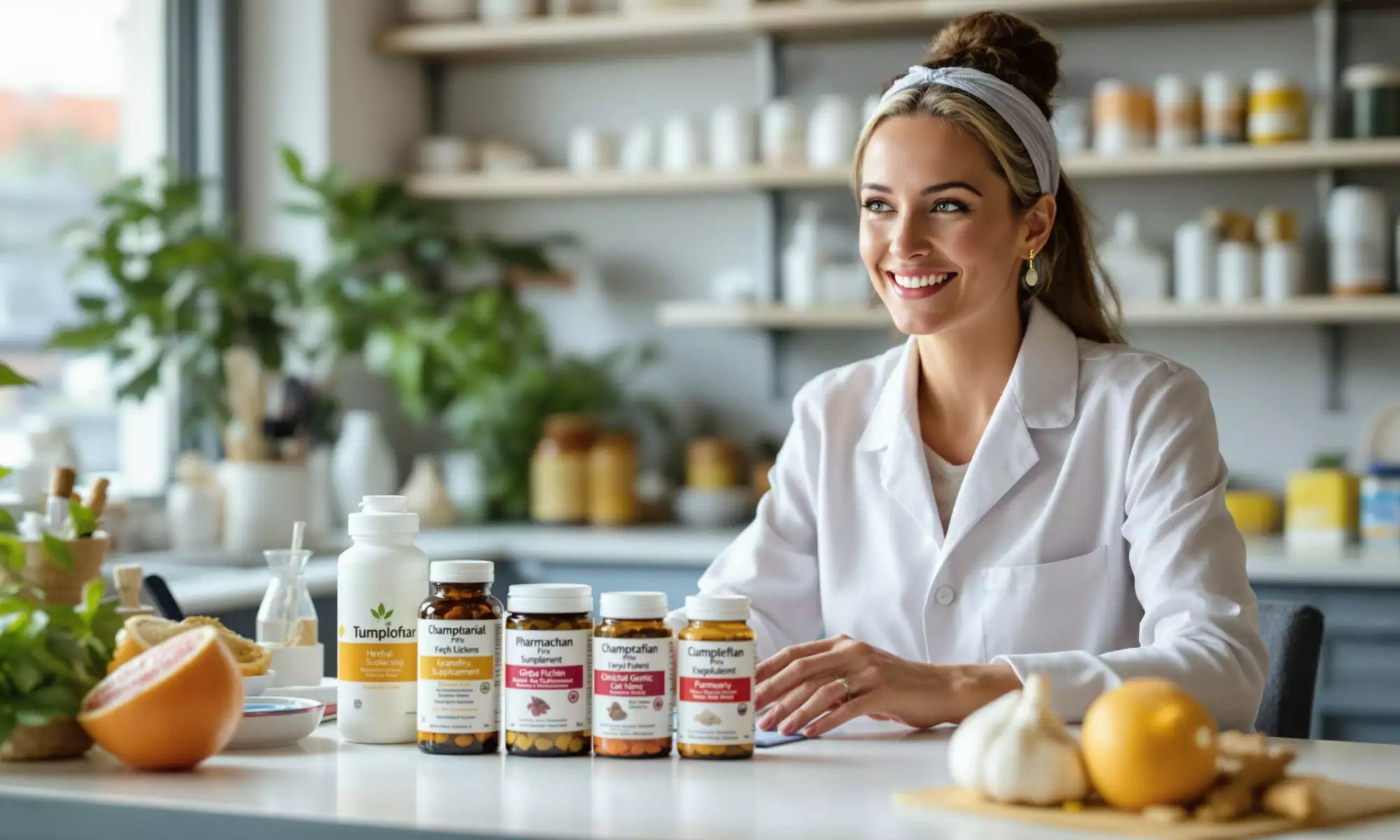
Herb drug interactions can make medicine weaker, intensify its effects, or add risks such as bleeding, liver injury and excessive sedation. St. John’s wort, ginkgo, garlic, turmeric, ginseng, kava, licorice and red yeast rice deserve particular caution. Grapefruit isn’t an herb, but its well-established medicine interactions make it relevant here. Always give your pharmacist a complete supplement list.
Why herb drug interactions can be hard to predict
A supplement can affect the enzymes and transport proteins that move medicines through your body. It may also amplify a drug’s action, as happens when a product with possible antiplatelet effects is combined with an anticoagulant.
Product quality adds uncertainty. Two bottles bearing the same herb name can contain different species, extracts or concentrations, while labels don’t always disclose the active amount. Our guide to using herbal medicine safely explains why extraction method and product testing matter.
The evidence isn’t equally strong for every pairing. Some herb drug interactions are supported by human trials, drug-level measurements and regulatory labeling; others rest mainly on laboratory work or individual case reports. Honestly, a long online interaction list can make weak possibilities look as certain as documented risks.
Nine products that can interact with common medicines
| Product | Medicines of concern | Main risk | Practical response |
|---|---|---|---|
| St. John’s wort | Oral contraceptives, cyclosporine, warfarin, digoxin, indinavir, some antidepressants | Lower drug concentrations; serotonin-related effects | Ask a pharmacist before use; don’t combine with antidepressants without clinical review |
| Ginkgo | Warfarin and other anticoagulants | Increased bleeding | Request a medication review |
| Turmeric or curcumin supplements | Warfarin and other blood thinners | Possible increased bleeding | Discuss concentrated supplements with your clinician |
| Garlic supplements | Warfarin, other blood thinners, blood-pressure medicines | Increased warfarin effect; possible blood-pressure interaction | Report supplement use, especially before procedures |
| Ginseng | Warfarin | Possible change in anticoagulant effect; inconsistent findings | Don’t assume different ginseng products act alike |
| Kava | Sedatives; medicines with liver risks | Added sedation; serious liver injury | Avoid self-combining with sedatives |
| Licorice containing glycyrrhizic acid | Blood-pressure medicines and drugs affected by low potassium | Higher blood pressure; lower potassium | Check the label and seek clinical advice for regular use |
| Grapefruit | Some statins, nifedipine, fexofenadine and other affected drugs | Higher levels of some drugs; lower absorption of others | Check the medicine label or ask a pharmacist |
| Red yeast rice | Statins and medicines that interact with lovastatin | Lovastatin-like adverse effects and interactions | Don’t combine with a statin unless a clinician approves |
The clearest high-risk combinations
St. John’s wort and prescription medicines
St. John’s wort creates some of the best-documented herb drug interactions. According to 2024 information from the National Center for Complementary and Integrative Health, it strongly induces CYP drug-metabolizing enzymes and intestinal P-glycoprotein. In plain English, it can make your body remove certain medicines faster, reducing their concentration and effectiveness.
Documented concerns include oral contraceptives, the transplant drug cyclosporine, warfarin, digoxin and the HIV medicine indinavir. Combining St. John’s wort with certain antidepressants can instead increase serotonin-related effects, which may become serious. Don’t start it for low mood while taking an antidepressant without speaking to the prescriber.
Ginkgo, garlic and turmeric with blood thinners
Bleeding is a recurring concern. The current US Food and Drug Administration-approved warfarin label lists ginkgo and garlic among botanicals most often associated with increased warfarin effects. NCCIH also cautions that ginkgo may increase bleeding risk in people taking anticoagulants.
Memorial Sloan Kettering reported in 2026 that turmeric or curcumin may increase bleeding risk with warfarin and other blood thinners. It also describes possible CYP3A4 effects, but human findings conflict. Concentrated capsules aren’t equivalent to ordinary culinary use; see the fuller review of turmeric’s evidence and risks for that distinction.
Ginseng: the product matters
Ginseng is a useful warning against sweeping claims. An FDA-funded review found that American ginseng reduced warfarin exposure in one small human trial, while a Korean-ginseng trial found no clinically significant interaction. Yet FDA-approved warfarin labeling includes ginseng among botanicals associated with increased warfarin effects.
Species, processing and dose may help explain the disagreement. A result for American ginseng cannot simply be transferred to Korean ginseng or a multi-herb “adaptogen” blend. Similar product-specific limitations apply across many herbs marketed for stress, as our evidence review of adaptogenic herbs describes.
Liver, blood pressure and cholesterol risks
Kava and sedating medicines
Kava products have been linked to clinically apparent acute liver injury, including liver failure, transplantation and death. The 2018 LiverTox assessment classifies kava as a well-known cause of this injury, although the event is uncommon and an individual user’s risk cannot be predicted reliably.
LiverTox also cites one case of disorientation and coma after kava was added to alprazolam and cimetidine. A case report cannot prove that the combination generally causes coma, but it supports caution about combining kava with sedatives. Liver symptoms such as yellow skin, dark urine or persistent nausea need prompt medical assessment.
Licorice is not a harmless sweetener
Licorice containing glycyrrhizic acid can raise blood pressure and lower potassium. A 2017 meta-analysis pooled 18 studies with 337 participants and found that chronic exposure increased mean systolic blood pressure by 5.45 mm Hg and reduced plasma potassium by 0.33 mmol/L. The studies were relatively small, and an average change can hide larger responses in susceptible people.
The mechanism is well described. Glycyrrhizic acid inhibits an enzyme in the kidney called 11β-hydroxysteroid dehydrogenase type 2, allowing cortisol to act more like a salt-retaining hormone. People with high blood pressure, heart or kidney disease, or medicines affected by potassium changes have less room for error.
Red yeast rice can act like a statin
Some red yeast rice contains monacolin K, which is chemically identical to lovastatin. It can therefore cause lovastatin-like adverse effects and drug interactions. Combining it with a prescription statin isn’t merely combining a “natural” product with a medicine; it may amount to unmeasured duplicate exposure.
The label may not solve the problem. A 2017 analysis of 28 US brands found monacolin K ranging from undetectable to 5.48 mg per 1,200 mg of product, and none disclosed the amount. That is a more than 5.48 mg spread at the same stated product quantity, including products with no detectable monacolin K.
Grapefruit shows why the direction of an interaction matters
Grapefruit is technically a citrus fruit, not an herb, but it illustrates two opposing mechanisms. FDA guidance updated in 2025 says grapefruit can block intestinal CYP3A4, raising blood levels of some medicines, including certain statins and nifedipine. It doesn’t affect every drug in those classes.
With fexofenadine, the effect runs the other way: grapefruit can interfere with transport proteins and reduce absorption. So “grapefruit raises medicine levels” is an unsafe shortcut. Check the specific drug label rather than applying one rule to an entire class.
Make your supplement list useful to a pharmacist
The NIH advised in 2025 that patients tell doctors, pharmacists and other healthcare providers about every dietary supplement plus prescription and over-the-counter medicine. Bring the actual containers or clear photographs. A product name alone may omit the plant species and extract strength.
- Record the brand, exact product name, ingredient list and serving size.
- Add how much you take, how often you take it and when you started.
- Include teas, powders, tinctures, gummies and multi-ingredient products.
- Ask before starting or stopping a supplement if you use warfarin, transplant medicine, an antidepressant, a sedative or a statin.
- Review the list before surgery, during pregnancy, and whenever a prescription changes.
Stopping an interacting product may also alter medicine levels, particularly when enzyme activity has been changed. Don’t adjust a prescribed treatment on your own. A pharmacist or prescribing clinician can assess timing, monitoring and safer alternatives for your circumstances.
Frequently asked questions about herb drug interactions
How quickly can herbal supplements interact with medicine?
Some effects can begin after a dose, while enzyme induction may build over repeated use and persist after stopping. Timing depends on the product, medicine, dose and your health.
Does separating an herb and medicine by a few hours prevent interactions?
Usually not when the herb changes liver enzymes, transport proteins, bleeding risk or potassium. Spacing may help with a few absorption interactions, but it isn’t a general fix.
Are herbal teas safer than capsules?
They may deliver less concentrated material, but safety depends on the plant, preparation and amount consumed. Regular medicinal-strength tea can still cause herb drug interactions.
Can a pharmacist check supplements for interactions?
Yes. Bring a complete list and, ideally, the packaging so the pharmacist can review the species, extract and other ingredients rather than relying on the front label.