

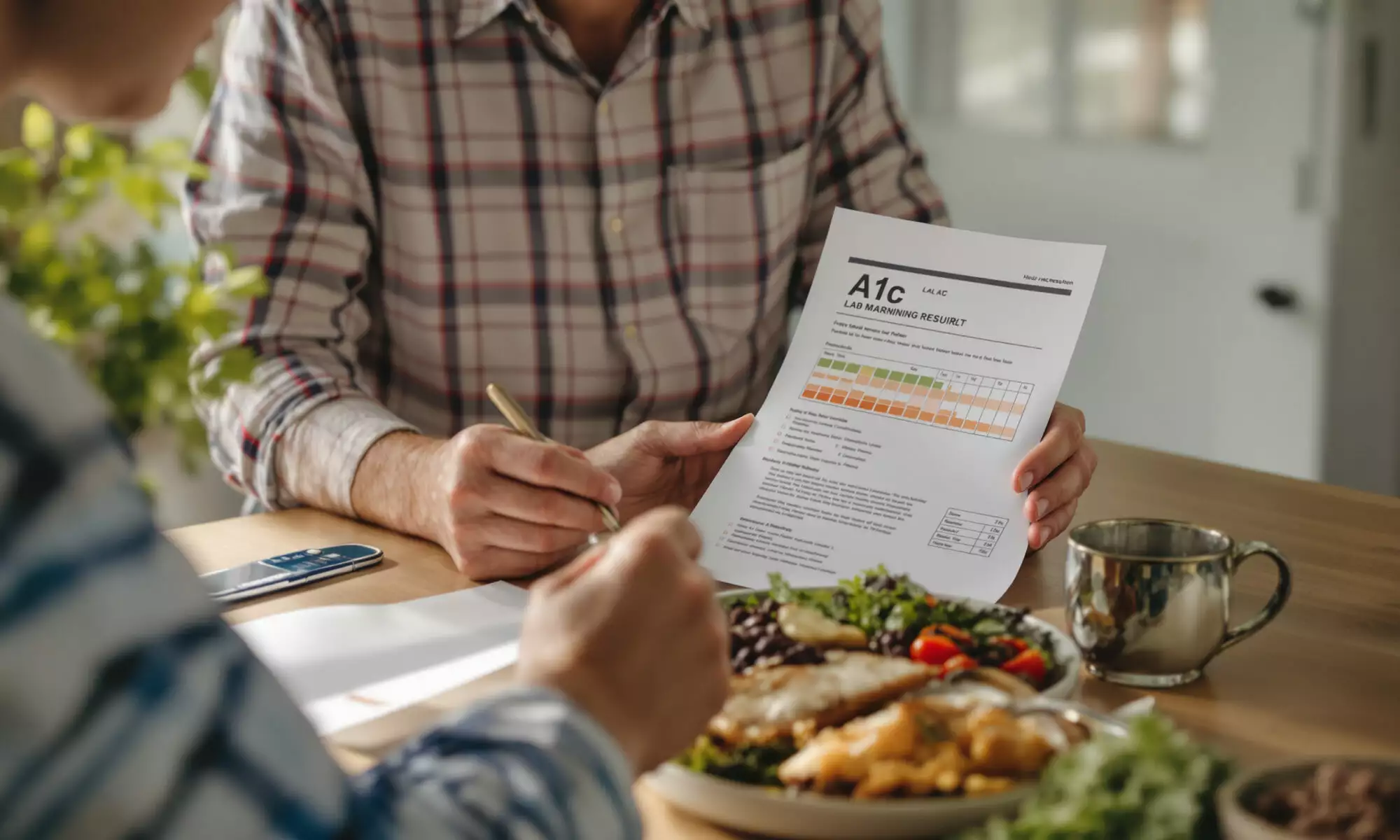
If you’re searching for how to reverse prediabetes, the answer is practical, not magical: lose 5% to 10% of body weight if you carry extra weight, build up to at least 150 minutes of weekly activity, choose higher-fiber meals, and monitor your A1c with a clinician. GLP-1 medicines can help some people, but lifestyle changes remain the foundation with the longest track record.
How to reverse prediabetes: the numbers that matter
Prediabetes means your blood sugar is above the healthy range but not yet in the type 2 diabetes range. In the American Diabetes Association’s 2025 Standards of Care, common cutoffs are an A1c of 5.7% to 6.4%, fasting blood sugar of 100 to 125 mg/dL, or a 2-hour oral glucose tolerance test result of 140 to 199 mg/dL.
Those numbers are not destiny. Prediabetes can move back into the normal range, especially when the cause is insulin resistance linked to weight gain, low activity, poor sleep, some medications, or menopause-related body composition changes. Age, family history, polycystic ovary syndrome, past gestational diabetes, and some ethnic backgrounds can raise risk too, so the same plan doesn’t work equally for everyone.
The best evidence for how to reverse prediabetes still comes from the Diabetes Prevention Program, a large U.S. randomized clinical trial published in 2002. Among 3,234 adults at high risk of type 2 diabetes, intensive lifestyle coaching reduced diabetes incidence by 58% over about 3 years compared with placebo; metformin reduced it by 31%. The lifestyle goal was clear: lose 7% of starting weight and do 150 minutes of moderate activity each week.
| Measure or goal | Common 2025-2026 reference range or target | What it means in practice |
|---|---|---|
| A1c | Prediabetes: 5.7% to 6.4% | About 3 months of average blood sugar |
| Fasting blood sugar | Prediabetes: 100 to 125 mg/dL | Blood test after at least 8 hours without food |
| 2-hour glucose test | Prediabetes: 140 to 199 mg/dL | Blood sugar response after a 75 g glucose drink |
| DPP weight goal | 7% body-weight loss | 14 lb for a person starting at 200 lb |
| DPP activity goal | 150 minutes per week | 30 minutes on 5 days, or shorter sessions added up |
Weight loss works, but the dose matters
If you have overweight or obesity, weight loss is the most reliable lever for improving insulin resistance. A 5% loss can lower fasting blood sugar for many people; 7% was the DPP target; 10% or more often brings larger improvements in blood pressure, fatty liver, triglycerides, and sleep apnea risk.
Here’s the concrete math. If you weigh 220 lb, a 7% loss is about 15 lb. That sounds less dramatic than many diet ads, but it’s exactly the sort of change that reduced diabetes risk in the DPP. Honestly, that is more useful than another extreme 30-day reset.
Weight loss is not required for every improvement. Exercise can improve insulin sensitivity even before the scale moves, and losing waist size can matter more than losing a large number of pounds. Still, for many people asking how to reverse prediabetes, body weight is part of the answer because muscle, liver, and belly fat all influence how the body handles glucose.
One overlooked caveat: rapid weight regain is common after short diets. Long-term DPP follow-up, including the DPP Outcomes Study, found that risk reduction persisted but narrowed over time as weight and habits changed. The lesson is not “try harder.” It’s to choose a plan you can repeat on busy Tuesdays, not just during a motivated January.
What should you eat if your A1c is 5.7% to 6.4%?
No single diet has a monopoly on prediabetes reversal. Mediterranean-style eating, higher-fiber lower-calorie plans, DASH-style patterns, and some lower-carbohydrate approaches can all help when they reduce excess calories, improve food quality, and make blood sugar swings smaller.
A useful plate is boring in the best way: half non-starchy vegetables, a quarter protein, and a quarter high-fiber carbohydrate such as beans, lentils, oats, brown rice, fruit, or intact whole grains. Add unsaturated fats from olive oil, nuts, seeds, avocado, or fish. If you want more practical food swaps, Healthy Life Vitality’s guide to eating patterns that support heart health pairs well with prediabetes advice because heart risk and blood sugar risk often travel together.
Sugary drinks deserve special attention. Randomized trials and cohort studies consistently link sugar-sweetened drinks with weight gain and higher type 2 diabetes risk, while replacing them with water, unsweetened tea, or coffee cuts a major source of fast sugar. Juice is not free either; it can raise blood sugar quickly even when it contains vitamins.
Carbohydrates are not poison. The better question is: how much, what type, and with what else on the plate? A bowl of lentil soup and a large soda may both contain carbohydrates, but your body does not experience them the same way. Fiber, protein, fat, portion size, and food structure all change the glucose response.
Policy can shape these choices too. School and community food rules affect what becomes normal, which is why changes such as limits on deep-fried foods in school meals matter beyond childhood nutrition. Adults benefit from the same principle: make the default easier, not perfect.
Move after meals, then build real fitness
Exercise is one of the fastest ways to make muscles pull glucose out of the bloodstream. The DPP used a 150-minute weekly target, roughly brisk walking pace, because it’s achievable and supported by trial evidence. Resistance training adds another benefit: more working muscle means more tissue that can store glucose.
For most people, the starter plan is simple:
- Walk for 10 to 15 minutes after one meal daily for 2 weeks.
- Add 2 sessions per week of basic strength training, such as sit-to-stands, wall pushups, rows, or supervised gym exercises.
- Build toward 150 to 300 minutes per week of moderate activity, matching the 2020 WHO physical activity guideline range for adults.
- Break up long sitting with 2 to 5 minutes of movement every 30 to 60 minutes.
Walking after meals is underrated. Small crossover studies have found that post-meal walking can lower glucose spikes, especially after carbohydrate-heavy meals, though these studies are usually short and involve modest numbers of participants. It’s not a replacement for a full exercise plan, but it’s a low-cost habit with a quick payoff.
Community programs can help if solo exercise doesn’t stick. A local walking event, for example, may sound modest, but the public-health logic behind community walking for diabetes awareness matches the DPP lesson: repeatable movement beats heroic workouts you quit.
Where GLP-1 medicines fit in 2026
GLP-1 receptor agonists, including semaglutide, and dual GIP/GLP-1 medicines such as tirzepatide can produce large weight loss in many adults with obesity. In trials from 2021 to 2024, these medicines also improved A1c and reduced progression toward type 2 diabetes in people with obesity and prediabetes, largely through weight loss and appetite effects.
That doesn’t make them the new first answer for everyone asking how to reverse prediabetes. They are prescription drugs, they can cause side effects such as nausea, vomiting, constipation, gallbladder problems, and rare pancreatitis, and weight regain often occurs when treatment stops. Cost and insurance coverage also vary widely, which creates a healthcare access problem, not just a medical one.
The strongest way to think about GLP-1 treatment is as an added tool for selected people: those with obesity, rising A1c, cardiovascular risk, fatty liver disease, or repeated unsuccessful attempts at weight loss with structured lifestyle support. If you’re pregnant, planning pregnancy, have a history of pancreatitis, take glucose-lowering medication, or have complex medical conditions, discuss options with a qualified clinician before changing your diet, exercise, or medication plan.
Metformin still has a place. ADA guidance has long considered it for higher-risk adults with prediabetes, especially those under 60 with BMI of 35 or higher, people with prior gestational diabetes, or those whose blood sugar keeps rising. It’s not a weight-loss drug in the GLP-1 sense, but it’s inexpensive, well studied, and safer than many online alternatives.
Sleep, stress, and the habits people underestimate
Sleep is not a wellness extra. Short sleep and untreated obstructive sleep apnea are linked with insulin resistance and higher type 2 diabetes risk in observational studies, and experimental sleep-restriction studies show worse glucose handling after only a few nights. Causation in real life is messy, but the pattern is consistent enough to take seriously.
Stress matters too, though it’s often oversold. Chronic stress can raise appetite, disrupt sleep, and make it harder to plan food or exercise. For most people, this matters less than weight, movement, and blood pressure, but it can decide whether those habits survive a difficult month.
Habit design is not fluff when the goal is how to reverse prediabetes. Put walking shoes by the door. Keep high-protein breakfast options visible. Use a smaller dinner plate if portions drift upward. If you like behavior-change frameworks, this piece on keystone habits for health is relevant because prediabetes reversal usually depends on repeatable routines, not isolated willpower.
Mental health deserves a direct mention. Depression, binge eating disorder, trauma, shift work strain, and some psychiatric medicines can all affect weight and blood sugar. If that’s your situation, the right plan may involve therapy, medication review, sleep treatment, or social support before anyone talks about macros.
How to track progress without chasing every spike
A1c is usually checked every 3 months when you’re actively changing treatment or habits, then less often once stable. Fasting blood sugar can move sooner, but day-to-day readings bounce with sleep, illness, stress, hydration, alcohol, and hard workouts. One high number is data, not a verdict.
Continuous glucose monitors are increasingly used by people without diabetes, but the evidence for routine use in prediabetes is still developing. They can teach you how meals and walks affect you personally. They can also create anxiety and over-focus on normal glucose variation. Use the information to adjust patterns, not to fear fruit.
A reasonable 12-week experiment is to choose one food target, one activity target, and one sleep target, then recheck A1c or fasting glucose. For example: replace sugary drinks, walk 150 minutes weekly, and set a consistent bedtime 5 nights per week. If nothing changes after 3 to 6 months, that’s the moment to ask about medication, sleep apnea testing, thyroid issues, steroid medicines, or other hidden drivers.
How to reverse prediabetes is partly a medical question and partly a systems question. Food access, work schedules, safe walking routes, insurance coverage, and primary care access all affect outcomes. Blaming individuals for a condition shaped by biology and environment is lazy medicine.
FAQ
Can prediabetes really go away?
Yes. Prediabetes can return to the normal blood sugar range, especially with sustained weight loss, regular activity, and dietary changes. Your long-term risk may still be higher than someone who never had prediabetes, so follow-up testing matters.
How long does it take to reverse prediabetes?
Some fasting blood sugar improvements can appear within weeks, while A1c usually needs about 3 months to reflect a clear change. Many structured programs use 6 to 12 months because lasting weight and fitness changes take time.
What is the best exercise for prediabetes?
The best starting exercise is brisk walking you can repeat, ideally building toward 150 minutes per week. Add strength training twice weekly because muscle helps store and use glucose.
Do I need a GLP-1 drug to reverse prediabetes?
No. Many people improve with lifestyle changes alone, especially if they start early. GLP-1 medicines may help selected people with obesity or high cardiometabolic risk, but they require medical supervision and are not a substitute for daily habits.
Is low carb required for prediabetes reversal?
No. Lower-carbohydrate diets can work for some people, but Mediterranean-style, DASH-style, and high-fiber calorie-controlled plans also have evidence. The best plan is one that improves your numbers and that you can sustain.
{“@context”:”https://schema.org”,”@type”:”FAQPage”,”mainEntity”:[{“@type”:”Question”,”name”:”Can prediabetes really go away?”,”acceptedAnswer”:{“@type”:”Answer”,”text”:”Yes. Prediabetes can return to the normal blood sugar range, especially with sustained weight loss, regular activity, and dietary changes. Your long-term risk may still be higher than someone who never had prediabetes, so follow-up testing matters.”}},{“@type”:”Question”,”name”:”How long does it take to reverse prediabetes?”,”acceptedAnswer”:{“@type”:”Answer”,”text”:”Some fasting blood sugar improvements can appear within weeks, while A1c usually needs about 3 months to reflect a clear change. Many structured programs use 6 to 12 months because lasting weight and fitness changes take time.”}},{“@type”:”Question”,”name”:”What is the best exercise for prediabetes?”,”acceptedAnswer”:{“@type”:”Answer”,”text”:”The best starting exercise is brisk walking you can repeat, ideally building toward 150 minutes per week. Add strength training twice weekly because muscle helps store and use glucose.”}},{“@type”:”Question”,”name”:”Do I need a GLP-1 drug to reverse prediabetes?”,”acceptedAnswer”:{“@type”:”Answer”,”text”:”No. Many people improve with lifestyle changes alone, especially if they start early. GLP-1 medicines may help selected people with obesity or high cardiometabolic risk, but they require medical supervision and are not a substitute for daily habits.”}},{“@type”:”Question”,”name”:”Is low carb required for prediabetes reversal?”,”acceptedAnswer”:{“@type”:”Answer”,”text”:”No. Lower-carbohydrate diets can work for some people, but Mediterranean-style, DASH-style, and high-fiber calorie-controlled plans also have evidence. The best plan is one that improves your numbers and that you can sustain.”}}],”@id”:”https://www.healthylifevitality.com/?p=2546/#faq”}