

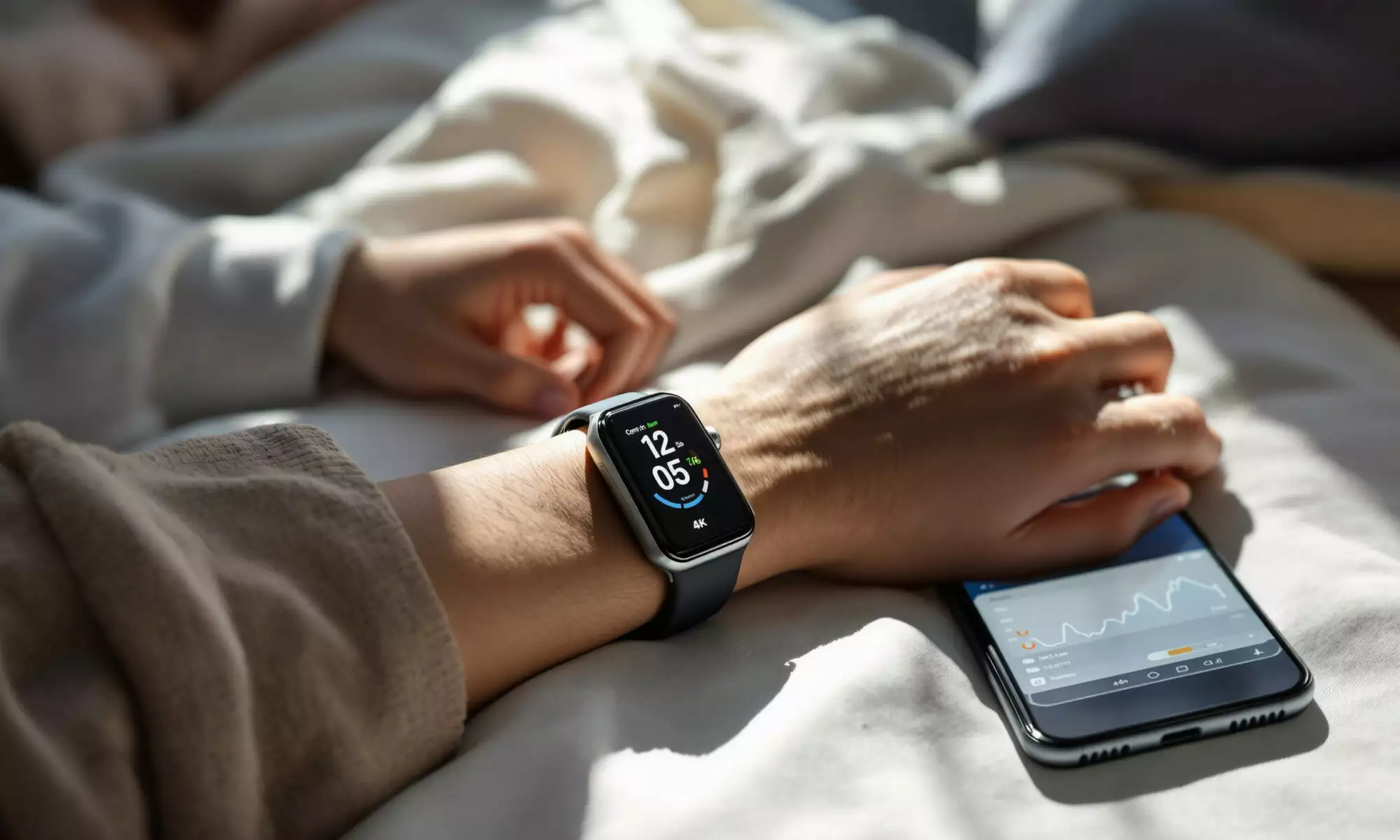
Short answer: in the oura vs whoop vs apple watch choice, Oura is strongest for low-friction sleep and readiness, Whoop is best for recovery coaching and training load, and Apple Watch is the most complete smartwatch with solid health features. None is a medical device for diagnosis, and wrist or finger data can be wrong, especially during movement, illness, or irregular heart rhythms.
Oura vs Whoop vs Apple Watch: the quick fit
The search intent behind oura vs whoop vs apple watch is practical: you want to know which wearable fits your health goals, not which brand has the slickest app. The honest answer depends on what you’ll actually wear every day and what data you’re willing to act on.
Oura Ring is the easiest to forget you’re wearing. Whoop is the most training-focused. Apple Watch is the broadest health and safety tool, because it adds ECG, fall detection, emergency calling on cellular models, medication reminders, and a large app ecosystem.
A useful way to think about it: if sleep is 70% of the reason you’re buying, start with Oura. If training recovery is 70%, start with Whoop. If you want one device for health, workouts, messages, maps, and safety, Apple Watch is the sensible pick.
| Feature | Oura Ring Gen 3 / 4 | Whoop 4.0 / 5.0 generation | Apple Watch Series 10 / Ultra 2 |
|---|---|---|---|
| Typical battery life | 4-8 days, model and use dependent | 4-5 days, model dependent | 18-36 hours; Ultra 2 up to 36 hours |
| Subscription in 2025 | About $5.99/month after trial | About $239/year or monthly plan | $0 for core Apple Health features |
| Best strength | Sleep, temperature trends, readiness | Recovery, strain, coaching prompts | ECG, workouts, safety, apps |
| Display | No screen | No screen | Color touchscreen |
| FDA-cleared ECG | No ECG feature | No ECG feature | ECG app cleared in multiple countries |
| Water rating | Up to 100 m on newer models | Up to 10 m on 4.0; check model | 50 m Series; 100 m Ultra 2 |
Sleep tracking: where Oura still feels ahead
For most people comparing oura vs whoop vs apple watch, sleep is the first battleground. Oura’s ring form factor matters. A ring is less distracting in bed than a bright watch, and it’s less likely to snag on sheets or feel sweaty overnight.
Independent validation of consumer sleep trackers is mixed. A 2023 systematic review of wearable sleep devices found that many trackers estimate total sleep time reasonably well in healthy adults, but they’re much weaker at distinguishing light sleep, deep sleep, and REM sleep compared with polysomnography, the lab standard. That caveat applies to all three brands.
Oura often performs well for sleep timing and overnight heart rate trends, partly because finger blood flow can give a cleaner signal than the wrist in some conditions. Still, don’t treat a “bad sleep score” as a diagnosis. If you snore heavily, wake up gasping, feel sleepy while driving, or have persistent insomnia, a wearable can be a clue, not a substitute for a clinician’s assessment or a sleep study.
Apple Watch has improved its sleep features, including sleep stages and wrist temperature trends on supported models. The trade-off is battery. If you wear it all day, you need a charging habit that doesn’t steal overnight data.
Recovery and HRV: useful, but easy to overread
Heart rate variability, or HRV, is one of the most misunderstood wearable metrics. Higher is not always better, and one low reading doesn’t mean you’re “unhealthy.” HRV varies with alcohol, stress, illness, menstrual cycle phase, late meals, training, sleep loss, and measurement method.
Whoop built its identity around recovery, strain, and HRV-guided training. It gives direct coaching language: push, maintain, or back off. For athletes and serious recreational exercisers, that framing can be useful because it connects a number to a behavior.
Oura’s readiness score is gentler. It combines sleep, resting heart rate, HRV, temperature, and activity balance into a daily signal. I like that it tends to nudge you rather than shout at you, though honestly, the confidence some apps place in single-day recovery scores is greater than the evidence supports.
Apple Watch records HRV in Apple Health, but it’s less recovery-coach-like unless you add third-party apps. Its strength is context: heart rate, workouts, sleep, ECG on supported models, blood oxygen where available, cycle tracking, and medications can sit in one health record on your phone.
Workout tracking and everyday health features
The oura vs whoop vs apple watch comparison changes fast when exercise is the priority. Apple Watch is best for live workout data because you can see pace, heart rate zones, intervals, maps, and notifications on the screen. For runners, cyclists, swimmers, and gym users, that immediate feedback matters.
Whoop has no screen, so it’s less useful if you want real-time pace or heart rate during a session. It’s better after the workout, when you want to understand training load and recovery. Oura can track activity, but it’s not a sports watch, and ring-based heart rate during gripping exercises can be unreliable.
Accuracy also depends on the workout. Optical heart sensors usually perform better during steady running than during weightlifting, boxing, rowing, or high-intensity intervals, where wrist movement and muscle tension interfere with the signal. A chest strap still tends to be more accurate for heart rate during hard training, based on validation studies comparing optical sensors with ECG-derived measures.
Apple Watch also has the strongest safety layer. Fall detection, emergency SOS, irregular rhythm notifications, and ECG are not replacements for medical care, but they are meaningful features for some users, especially older adults or people with known heart concerns. For broader prevention habits beyond devices, our guide to daily habits linked with healthier living is a useful companion read.
Price, subscriptions, and the 3-year cost
Sticker price hides a lot. In a realistic oura vs whoop vs apple watch calculation, subscription fees can change the winner more than the device price.
Here’s the concrete math. If an Oura ring costs about $299 and the membership is $5.99 per month, 36 months adds about $216, bringing the 3-year cost to roughly $515 before taxes. If Whoop costs about $239 per year on an annual plan, 3 years is about $717, though the hardware is usually bundled with membership. An Apple Watch Series model at roughly $399 with no required health subscription stays about $399 over 3 years, unless you pay for cellular service or third-party apps.
Those numbers shift with sales, models, and country. The point is not that one is always cheaper. It’s that “free device” and “premium ring” can be misleading labels once you include 36 months of access.
Apple Watch also has a replacement-cycle issue. Many people upgrade watches sooner than rings or bands because smartwatch features and battery expectations change. Oura has sizing risk: if your finger size changes with weight, pregnancy, arthritis, or heat, comfort may change too.
Who should choose each wearable?
Choose Oura if you want quiet tracking, strong sleep summaries, temperature trends, and a device you can wear with a normal watch. It suits people who don’t want another screen. It’s also a good fit if you’re trying to notice patterns around alcohol, late meals, travel, stress, or sleep timing.
Choose Whoop if training load is central to your life and you like coaching prompts. It suits endurance athletes, CrossFit-style training, team sports, and people who care about recovery trends more than smartwatch functions. The subscription model only makes sense if you’ll use the app often.
Choose Apple Watch if you want the most complete health-tech device. It’s the best pick for someone who wants workout tracking, notifications, safety features, ECG, medication reminders, and broad Apple Health integration. For readers trying to reduce phone noise, though, a smartwatch can become another attention trap; our piece on cutting back on social media apps has relevant ideas for setting boundaries.
- Pick Oura if sleep comfort, battery life, and low distraction rank highest.
- Pick Whoop if recovery coaching and training strain are the main reasons you’re buying.
- Pick Apple Watch if you want a health tracker plus a full smartwatch and safety features.
- Skip all three for now if scores trigger anxiety, compulsive checking, or unhealthy exercise decisions.
That last point is not a throwaway. Wearables can help some people change habits, but they can also feed health anxiety. If a device makes you sleep worse because you’re worried about sleep data, it’s failing you.
Accuracy caveats most reviews skip
Consumer wearables are trend tools first. They’re not diagnostic instruments, even when some features have regulatory clearance. Apple’s ECG feature, for example, can help identify signs of atrial fibrillation in supported regions, but it does not rule out a heart attack, stroke, or every rhythm problem.
Skin tone, tattoos, cold hands, loose fit, motion, sweat, and sensor placement can affect optical readings. Finger sensors may do better for some overnight measures, while wrist sensors may be more practical during workouts. No device wins every measurement.
A 2022 and 2023 wave of validation research on wearables found a consistent pattern: heart rate at rest is usually more reliable than calorie burn, sleep stages, or stress scores. Calorie estimates are especially shaky. If a watch says a workout burned 600 calories, treating that number as a precise food budget is a mistake.
One overlooked edge case: shift workers. Most readiness and sleep algorithms are built around regular night sleep. If you work rotating nights, nap in blocks, or sleep during daylight, scores may be less meaningful even when the raw heart rate and sleep timing data are still useful.
FAQ
Is Oura better than Whoop for sleep?
Often, yes, mainly because the ring is comfortable overnight and Oura’s app is built around sleep and readiness. But no wearable matches a lab sleep study for sleep stages, so use it for trends rather than diagnosis.
Is Whoop worth it if I already have an Apple Watch?
It can be if you train hard and want recovery coaching without wearing a screen. If you mainly want workouts, ECG, notifications, and safety features, Apple Watch already covers more ground.
Which is more accurate, Oura, Whoop, or Apple Watch?
Accuracy depends on the metric. Apple Watch is strong for workout heart rate and ECG features, Oura is strong for overnight trends, and Whoop is strong for recovery-style training summaries.
Do I need a subscription for Oura vs Whoop vs Apple Watch?
Oura and Whoop rely heavily on paid memberships for their main insights. Apple Watch does not require a subscription for core health tracking, though some third-party apps charge fees.
{“@context”:”https://schema.org”,”@type”:”FAQPage”,”mainEntity”:[{“@type”:”Question”,”name”:”Is Oura better than Whoop for sleep?”,”acceptedAnswer”:{“@type”:”Answer”,”text”:”Often, yes, mainly because the ring is comfortable overnight and Oura’s app is built around sleep and readiness. But no wearable matches a lab sleep study for sleep stages, so use it for trends rather than diagnosis.”}},{“@type”:”Question”,”name”:”Is Whoop worth it if I already have an Apple Watch?”,”acceptedAnswer”:{“@type”:”Answer”,”text”:”It can be if you train hard and want recovery coaching without wearing a screen. If you mainly want workouts, ECG, notifications, and safety features, Apple Watch already covers more ground.”}},{“@type”:”Question”,”name”:”Which is more accurate, Oura, Whoop, or Apple Watch?”,”acceptedAnswer”:{“@type”:”Answer”,”text”:”Accuracy depends on the metric. Apple Watch is strong for workout heart rate and ECG features, Oura is strong for overnight trends, and Whoop is strong for recovery-style training summaries.”}},{“@type”:”Question”,”name”:”Do I need a subscription for Oura vs Whoop vs Apple Watch?”,”acceptedAnswer”:{“@type”:”Answer”,”text”:”Oura and Whoop rely heavily on paid memberships for their main insights. Apple Watch does not require a subscription for core health tracking, though some third-party apps charge fees.”}}],”@id”:”https://www.healthylifevitality.com/?p=2568/#faq”}